
Key Takeaways
- A home inspection helps identify potential issues before you finalize your purchase
- Inspection reports are often long and detailed, but many findings are routine and expected
- Home inspections typically cost a few hundred dollars and are usually paid for by the buyer
- Inspection results can be used to negotiate repairs, request credits, or walk away under an inspection contingency
What Is a Home Inspection?
You’ve found the home you love and its seller has accepted your offer. While there’s certainly reason to celebrate, don’t pop your champagne too early: you still need to get through the home inspection process.
A home inspection is an independent, visual evaluation of a property’s condition, typically performed by a licensed home inspector. While they’re not technically mandatory, they give buyers a clear understanding of the home’s condition, allowing them to decide on whether or not they wish to move forward with the purchase or renegotiate with the seller.
A home inspection is not a guarantee that nothing will go wrong after you move in and inspectors can’t predict future performance or certify that a home meets every building code requirement. Instead, the goal is to identify existing issues with the home’s structure and major systems so buyers can make an informed decision before closing.
Do You Need a Home Inspection?
Most buyers choose to get a home inspection because it reduces uncertainty before a major financial decision and helps set realistic expectations about a home’s condition. Even houses that look well maintained can have hidden issues that aren’t obvious during the initial walkthrough, like aging systems, prior repairs or deferred maintenance.
If you’re searching in a particularly competitive market or interested in a new build, you may feel tempted to waive the home inspection but it’s important to understand that doing so increases risk. A home inspection gives you the chance to understand what you are buying, estimate potential repair needs and decide whether the home still feels like the right fit before moving forward.
We highly recommend getting a home inspection completed for any home purchase.
How the Home Inspection Process Works
The home inspection process begins after your offer is accepted, and is governed by an inspection contingency in your purchase contract. This contingency gives you a defined window, typically about 7 to 10 days, to have the inspection conducted and decide how to proceed based on the results.
Because this period is relatively short, buyers typically schedule the inspection soon after going under contract. The findings can directly affect whether the deal moves forward as planned, is renegotiated, or ends altogether.
In most cases, the buyer arranges and pays for the home inspection, so it’s important to factor this into the remainder of their expected upfront home buying expenses, like the down payment and closing costs. Buyers usually select their own inspector, often with recommendations from their real estate agent, and the cost varies based on the size, age and location of the home.
On the day of the inspection, buyers are encouraged to attend with their real estate agent. Being present allows them to see issues firsthand, ask questions in real time and better understand which findings are routine versus more serious. Agents often help provide context based on local norms and past transactions.
What Happens During a Home Inspection
During a home inspection, buyers can expect a structured walkthrough of the property focused on identifying existing issues with major systems and components. While the process may feel detailed, it is meant to provide a clear, objective snapshot of the home’s condition at a specific point in time and it is not uncommon for the inspector to take a lot of notes while conducting the process.
What inspectors look for
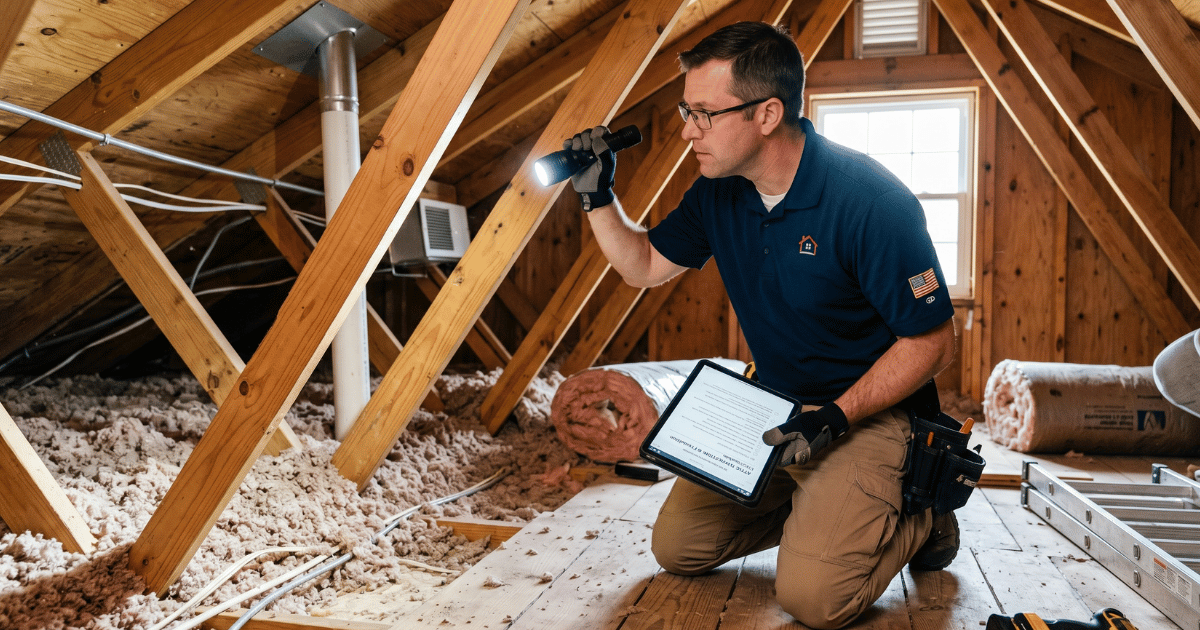
Home inspectors focus on the home’s visible structure and major systems, including the roof and exterior, foundation, electrical system, plumbing, heating and cooling systems and interior components.
During a standard home inspection, inspectors typically review:
- Structural elements like the foundation, framing and roof
- Exterior components like siding, drainage, decks and walkways
- Major systems, including electrical, plumbing, heating and cooling
- Interior areas like walls, ceilings, floors, doors and windows
- Safety-related items such as smoke and carbon monoxide detectors
Their role is to observe and document what is accessible, rather than to diagnose every possible future issue. The inspection is non-invasive, meaning inspectors do not open walls or perform destructive testing.
A typical home inspection lasts two to four hours, depending on the size and condition of the home. During the inspection, the inspector examines the property, documents findings with notes and photos, and may point out concerns as they go. Buyers usually receive a written inspection report within a day or two after the inspection is complete.
What Happens After the Home Inspection?
After the inspection, buyers typically review the report with their real estate agent, who can help explain the findings and put them into perspective. Inspection reports are often long and detailed, which can make them feel overwhelming at first, but length doesn’t necessarily mean that something is wrong with the home. Many findings are routine maintenance issues, such as minor electrical updates, aging components or small plumbing leaks.
More serious issues, such as structural concerns, roof damage, widespread water intrusion or major system failures, are less common but can have a meaningful impact on the transaction. Buyers who are still early in their search or don’t want to take on that risk or expense may choose to reassess and begin the home search process again. These types of issues are sometimes what people mean when they say a home has “failed” an inspection, even though inspections themselves are not pass or fail.
For example, an inspection might reveal that the roof is nearing the end of its expected lifespan. In that situation, a buyer may ask for a credit to help cover future replacement costs, negotiate a lower purchase price or decide to move forward knowing the roof will likely need attention in the next few years.
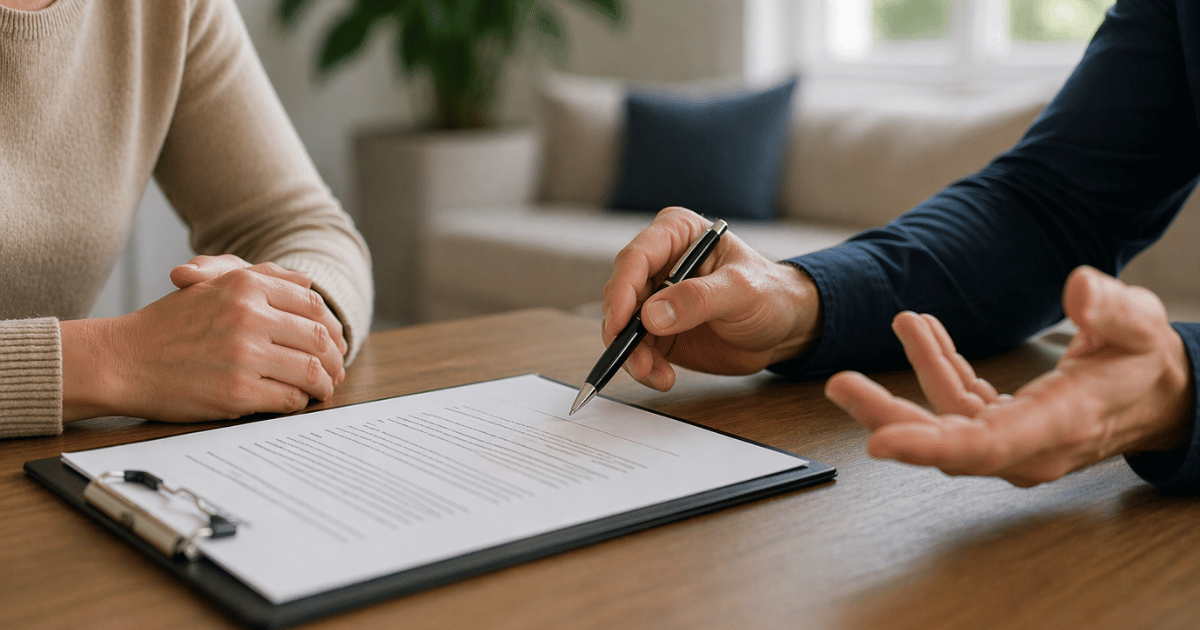
When significant issues are uncovered, buyers typically have a few options. They may request that the seller make specific repairs, ask for a credit or price reduction to address the issues after closing or decide that the risk or cost no longer makes sense and walk away under the inspection contingency. In some cases, inspectors or agents may recommend additional specialized inspections, such as termite, radon, sewer, or mold inspections, when a closer look at a specific concern is needed.
It is important to understand that sellers are not automatically required to make fixes after a home inspection. Inspection findings are used as a negotiation tool, meaning buyers can request repairs or credits, but sellers can agree, counter, or decline. Certain safety or habitability issues may need to be addressed depending on loan requirements or local regulations, but many repairs are ultimately negotiated between the buyer and seller.
Home Inspection FAQs
Homes don’t technically “pass” or “fail” inspections. An inspection is a report of the home’s condition, not a test. If the condition is deemed serious enough to address with the seller or results in the dissolution of the sale, the buyer may later say it’s because the house failed inspection.
A home inspection evaluates condition, while an appraisal estimates the home’s value for the lender.
If your contract includes an inspection contingency, you can usually back out during that period without losing your earnest money. However, if there is no contingency protection in place, you may be at risk of losing your deposit.