

Key Takeaways
- Most mistakes come down to budgeting, timing and decision-making under pressure
- Understanding your full monthly cost early prevents overbuying
- Skipping steps like inspections or rushing decisions increases financial risk
- Small missteps during underwriting or closing can delay or derail the deal
Buying your first home is exciting, but it’s important to realize that once you dive into the process, the process can accelerate quickly. Decisions that feel small in the moment, like when you make an offer, what you waive or how quickly you move, can have long-term financial consequences.
Most first-time buyer mistakes are not about making a “wrong” choice, they are simply the result of moving forward without fully understanding how the process works.
Here’s where buyers tend to run into problems and how to avoid them.
Before You Start House Hunting
1. Starting Your Search Without Preapproval
For many, it’s become a common habit to scroll through home listings and think about financing later, but that can create problems quickly.
Preapproval doesn’t just tell you what a lender is willing to offer. It gives you a working price range, confirms your documentation is in order and signals to sellers that you’re a serious buyer who can close the deal. Without it, you risk spending time on homes you can’t realistically buy (or comfortably afford) or losing out when you’re ready to make an offer.
2. Thinking in Terms of Price Instead of Monthly Cost
Many buyers anchor to a purchase price, but what matters day to day is the full monthly payment, which includes more than just your mortgage.
When considering the whole picture, you have to include property taxes, homeowners insurance and ongoing maintenance as part of your monthly budget and then set your search expectations accordingly. Looking at a monthly estimate early using a mortgage calculator is a helpful first step in assessing what you can realistically afford before you start touring homes.
3. Not Comparing Lenders
Loan terms can vary more than most first-time buyers expect.
Even small differences in interest rates or fees add up over time and not every lender evaluates your financial profile the same way. Getting multiple quotes early gives you a clearer picture of your options and prevents you from locking into a loan that isn’t competitive.
4. Waiting Too Long for the Perfect Down Payment
The biggest mistake isn’t putting less than 20% of the purchase price as your down payment, it’s not understanding the cost of waiting. While putting 20% down eliminates PMI (Private Mortgage Insurance) and lowers your monthly bill, waiting years to save that amount can keep you priced out of the market as home values rise.
Some modern programs allow for down payments as low as 3.5%. The key is to factor PMI into your debt-to-income math from day one. Think of PMI as the “convenience fee” for moving into your home years sooner. Once you reach 20% equity through payments or appreciation, you can often request to have that insurance removed anyway.
While You’re House Hunting
5. Stretching Your Budget Too Far
It’s easy to justify a higher price to yourself when you find a home you really like, especially in a high-pressure market.
But stretching your budget doesn’t just affect your mortgage. It potentially reduces your ability to pay for future repairs, keep up on maintenance and, simply put, eats into your everyday expenses. What feels manageable on paper can easily become stressful once you’re actually living with the payment.
6. Letting Emotions Override Red Flags
Buying a home is emotional, but the decision still needs to hold up financially.
Overlooking issues, rushing an offer or getting pulled into bidding wars can lead to overpaying or taking on a home that requires more work than expected. Taking a step back to evaluate the property objectively can prevent decisions you’ll have to live with long-term.
7. Focusing Only on the House, Not the Location
It’s easy to forget that the home itself is only part of the equation.
Commute times, nearby amenities and future development in the area all affect your day-to-day experience and the home’s long-term value. These are harder to change than anything inside the property, so they’re worth honestly evaluating early.
8. Working With the Wrong Agent
The right real estate agent does a lot more than tour you around homes. They help you structure offers, navigate tradeoffs and advocate for you in seller negotiations.
Choosing an agent without understanding how they approach strategy can leave you at a disadvantage. If you’re not getting clear guidance or context, it’s usually a sign to reassess.
During the Purchase Process
9. Skipping the Home Inspection
Waiving a home inspection can make your offer more competitive, but it removes one of your main safeguards.
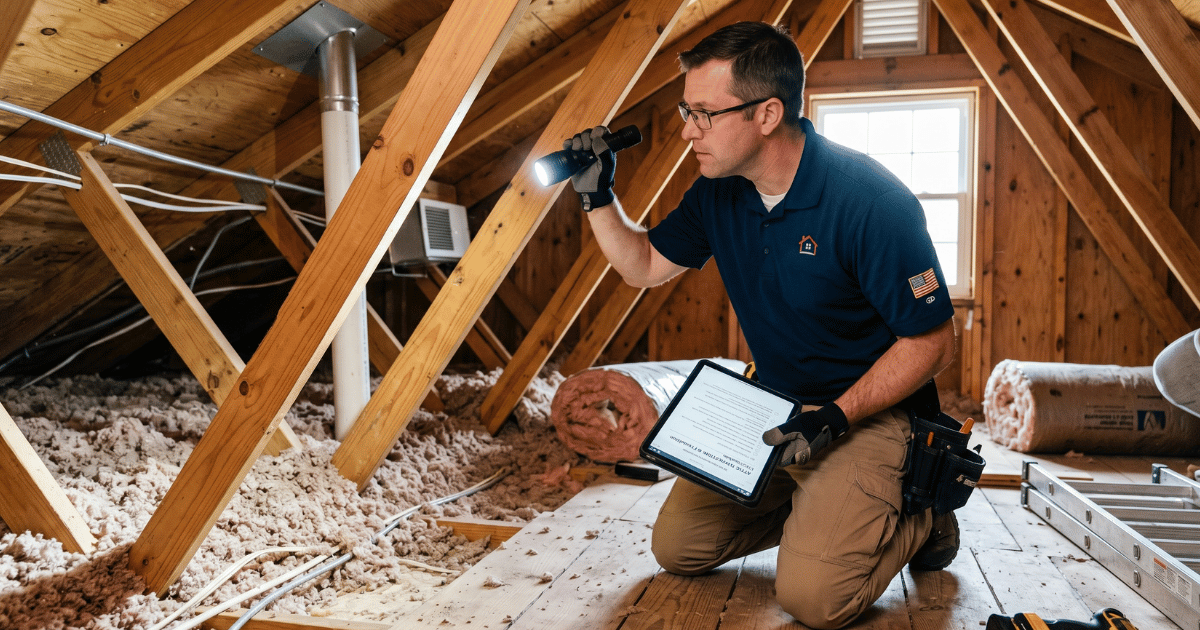
An inspection is not a guarantee that nothing will go wrong, but it does give you a clear snapshot of the home’s current condition, which may increase your leverage in negotiations with the sellers. Without it, you’re taking on more uncertainty, especially around major systems or structural issues.
10. Underestimating Closing Costs
Many buyers are so laser focused on the down payment that they overlook the additional costs required to close.
Closing costs typically include lender fees, title services and prepaid expenses like taxes and insurance. These can add up quickly, so factoring them into your upfront budget early helps avoid last-minute surprises.
11. Making Financial Changes Before Closing
Once you’re under contract, your financial profile still matters.
Lenders will re-verify your information before final approval. Taking on new debt, changing jobs or moving money between accounts can trigger additional review and potentially delay or jeopardize your loan.
12. Using All Your Cash to Close
Putting everything you have toward your down payment and closing costs can leave you unprepared after move-in.
Unexpected repairs, maintenance or even normal homeownership expenses can come up quickly and often when you least expect them. Keeping a financial buffer is just as important as getting to the closing table.
After Your Offer Is Accepted
13. Not Being Prepared for a Low Appraisal
If the home appraises below the purchase price, the lender may not approve the full loan amount.
At that point, you may need to renegotiate, bring additional cash to cover the difference or reconsider the deal. Knowing this is a possibility ahead of time makes it easier to respond without delaying the process.
14. Overlooking Repair Negotiations
Inspection results are often a starting point for negotiation.
If issues come up, you typically have the option to request repairs, ask for a credit or adjust the price. Skipping this step or not fully understanding your options can leave you responsible for costs that could have been addressed before closing.