
Key Takeaways
- Buying a house “as-is” means the seller is offering the property in its current condition and likely doesn’t plan to make needed repairs before closing.
- Buyers are still encouraged to schedule inspections and include contingencies, but should expect sellers to refuse repair requests.
- As-is homes are often priced lower but may come with significant repair costs.
- Financing can be more difficult if the home has safety or structural issues.
What Does Buying a House “As-Is” Mean?
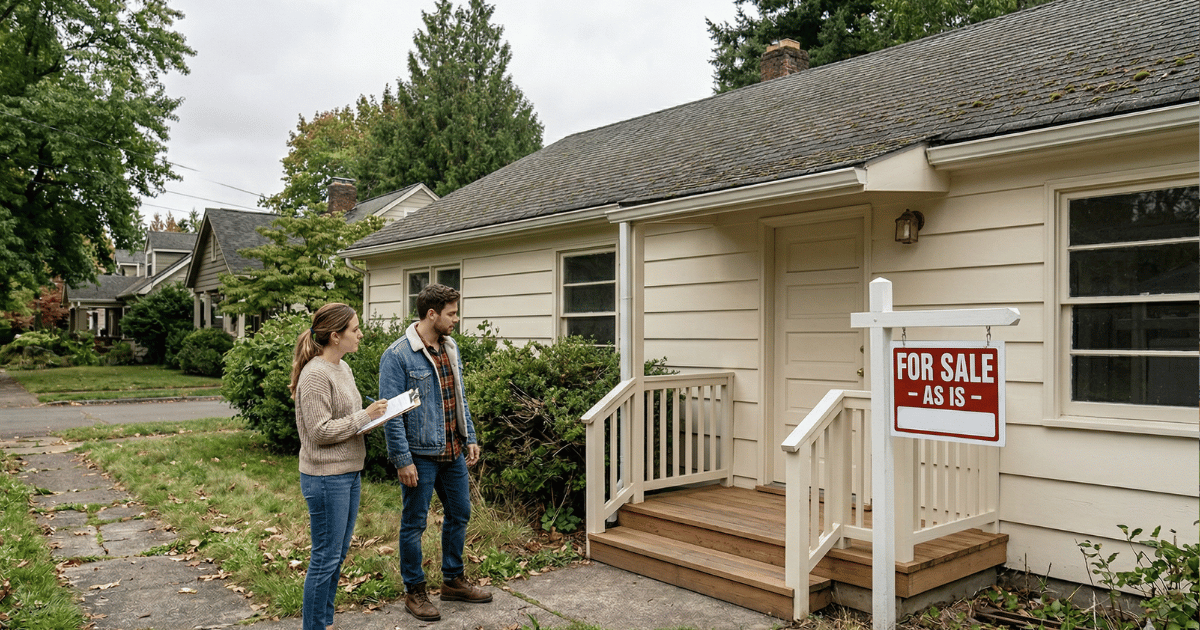
Buying a house “as-is” means the seller is offering the home in its current condition and likely doesn’t plan on completing repairs before the sale is finalized. While not every as-is sale means that you should expect a home to be in disrepair, if issues are discovered during the inspection process, don’t expect the seller to agree to fix them.
In most cases, an as-is listing signals that the seller wants a faster or simpler transaction and prefers not to negotiate repairs. However, entering into an as-is sale does not mean buyers must waive due diligence (nor should they). Buyers are still encouraged to schedule inspections, review disclosures and include contingencies that allow them to back out if serious issues are discovered.
As-Is Houses vs. Traditional Home Sales
In a traditional sale, buyers will schedule a home inspection to be conducted in order to uncover possible significant issues with the home. From there, they will typically request seller fixes for the issues or use them as negotiating points to lower the overall asking price of the home. The inspections and potential for negotiations are an expected part of a traditional home sale.
With an as-is property, on the other hand:
- The seller generally refuses repair requests
- The buyer accepts responsibility for future repairs
- The price may reflect the home’s current condition (which is a bonus for some buyers)
Even in an as-is sale, buyers may still attempt to negotiate the purchase price if inspections reveal significant problems, but a collaborative outcome is far less likely.
What Does “as-is, where-is” Mean?
Some listings use the phrase “as-is, where-is.” This wording means that the buyer is expected to accept the property exactly as it exists at the time of sale and in its current location. The seller is not responsible for repairs, removing items left behind or addressing issues discovered after closing.
It is most commonly used in foreclosure sales, estate transactions and investor-owned properties where the seller has limited knowledge of the home’s condition. In practice, this language reinforces that the seller does not intend to make improvements and will not revisit the condition of the home after the contract is signed.
Why Sellers List Homes As-Is
Sellers usually list a home as-is when they want to spend less time on the home selling process or cost of making repairs.
Common situations include:
- Inherited homes that family members do not want to renovate
- Older homes that require significant updates
- Foreclosure or financial hardship situations
- Investment properties being sold by landlords
- Sellers who want a faster closing with fewer negotiations
Types of Homes Commonly Sold As-Is
Certain types of properties are more likely to be sold in as-is condition. It’s important to remember, though, that not every as-is property is guaranteed to be in need of costly repairs. Each home should be evaluated independently.
Fixer-upper homes
These are usually older homes that need structural repairs, system upgrades or significant cosmetic improvements. They may have outdated kitchens and bathrooms, aging roofs or worn mechanical systems. Sellers often list them this way when renovation costs would be substantial, leaving buyers the option to update the home themselves.
Estate sale properties
Homes suddenly inherited from family members are commonly sold as-is. In many cases, heirs live in another city or state and prefer to sell the property quickly rather than coordinate repairs, upgrades or staging. These homes may also contain older materials, deferred maintenance or systems that have not been updated in decades.
Foreclosures and bank-owned homes
Properties that have gone through foreclosure are typically sold as-is by lenders. In these scenarios, banks and loan servicers are focused on recovering the outstanding loan balance, not on ensuring the aesthetics or structural integrity of the home. As a result, these homes may have deferred maintenance, damage from vacancy or incomplete renovations – however, they also may not and there can be hidden gems found in foreclosure listings.
Rental or investment properties
Landlords sometimes sell rental properties as-is, particularly if the home has been occupied for many years. Instead of completing upgrades between tenants, the owner may choose to sell the property in its current condition. Buyers interested in long-term investments or renovations often target these listings.
Pros of Buying a House As-Is
As-is homes can appeal to buyers who are comfortable evaluating property conditions and managing repairs. When priced appropriately, these properties can create opportunities that are harder to find with fully renovated homes.
Lower purchase price
Sellers often discount as-is homes to reflect repair needs or outdated features. For handy buyers who are willing to handle DIY home improvements themselves, the ability to purchase the property for less than comparable move-in ready homes in the same area is attractive.
Less competition
Many buyers prefer homes that require little or no work. Because of this, as-is properties may attract fewer offers, which can create more negotiating flexibility or reduce the likelihood of bidding wars.
Opportunity to build equity
Renovations and upgrades can increase a home’s value over time. Buyers who purchase properties below market value and invest in strategic improvements may build equity faster than buyers who purchase fully updated homes.
More control over renovations
Instead of inheriting quick or cosmetic fixes from a seller, buyers can renovate the property to match their own preferences, budget and long-term plans.
Potential for faster transactions
Because sellers typically do not plan to complete repairs or negotiate improvement requests, as-is transactions tend to involve fewer repair negotiations and can move to closing more quickly.
Cons of Buying a House As-Is
While as-is homes can present opportunities, they also carry additional risks compared with traditional home purchases.
Unexpected repair costs
Some problems may not be obvious during an initial showing. Even after inspections, hidden issues can still emerge once renovation work begins.
Major repairs can include:
- Foundation damage
- Roof replacement
- Plumbing or electrical failures
- Water damage or mold
Limited negotiating leverage
Sellers who list homes as as-is often resist requests for repairs. While buyers may still negotiate price reductions or seller credits after inspections, they should expect less overall seller flexibility than they might receive in a traditional home sale negotiation.
Financing challenges
Some lenders won’t approve mortgages for homes with serious structural damage, safety hazards or incomplete construction. If an appraisal identifies these issues, buyers may need to complete repairs before closing, increase their down payment, or switch to a renovation loan.
Insurance complications
Insurance companies may decline coverage for homes with major damage or outdated systems. In some cases, buyers must complete certain repairs before a homeowners insurance policy can be issued.
Higher renovation uncertainty
Repair timelines, contractor availability and renovation costs can vary widely. Buyers should plan for unexpected expenses and delays when budgeting for improvements.
As-Is Does Not Mean No Disclosures
A common misconception is that sellers can hide problems in an as-is sale. In most states, however, sellers are required to disclose known defects, although disclosure rules can vary by state. Some jurisdictions provide limited exemptions for certain sellers, like banks selling foreclosures, estate representatives selling inherited property or landlords selling former rental homes.
Seller disclosure forms typically include information about:
- Structural problems
- Roof leaks
- Plumbing or electrical issues
- Water damage
- Pest infestations
If a seller knowingly hides major issues, buyers may have legal recourse after closing, so close evaluation of disclosure documents is an essential step in an as-is property purchase.
Can You Still Get a Home Inspection on an As-Is Home?
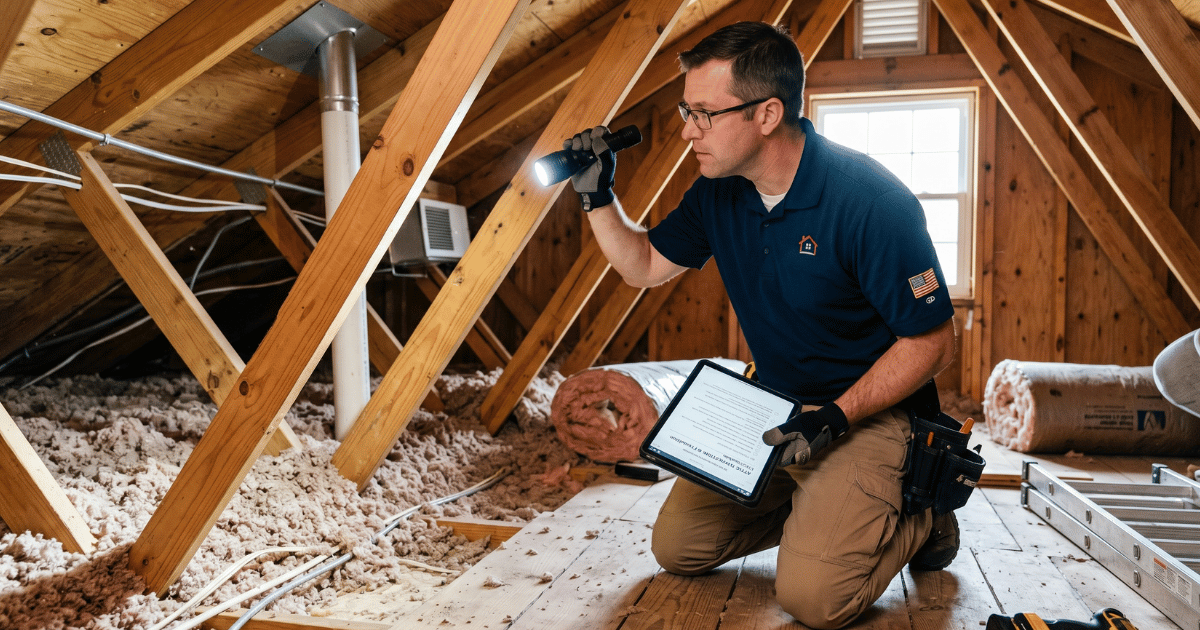
Yes – buyers should almost always schedule a home inspection when purchasing an as-is property. A standard home inspection evaluates major components of the house including the foundation, roof, plumbing, electrical systems, heating and cooling equipment and signs of water damage or mold. So while uncovering issues with these may not result in seller fixes, it gives the buyer a clear understanding of the property’s overall condition.
If the inspection reveals serious problems, buyers may still be able to renegotiate the purchase price or cancel the contract if the offer includes an inspection contingency. In some situations, buyers also choose to pursue additional specialized inspections depending on the age and condition of the home. For example, an older property might benefit from a sewer line inspection or a structural engineer evaluation, while homes with visible roof wear or pest activity may require more targeted inspections.
Consider a home warranty
Some buyers choose to purchase a home warranty when buying an as-is property. A home warranty is a service contract that may help cover repair or replacement costs for certain systems and appliances, like HVAC systems, plumbing or electrical components.
Coverage varies by provider and warranties typically exclude structural problems, roofs and pre-existing damage. Because of these limitations, a home warranty should not be considered an alternative to an inspection, but it may provide limited financial protection for mechanical systems during the first year of ownership.
In some cases, buyers may be able to negotiate for the seller to pay for a one-year home warranty as part of the purchase agreement.
Can You Finance an As-Is Home?
Financing an as-is property depends heavily on the condition of the home. While it is entirely possible to get a mortgage for an as-is property, lenders tend to scrutinize these homes more closely because major safety hazards or structural issues can affect the property’s value and livability. In practice, this means buyers may encounter additional hurdles during underwriting if the home requires significant repairs.
Conventional loans
Conventional mortgages may allow homes with minor issues, but significant safety hazards or structural damage may also lead to a denial. Lenders also rely on the home appraisal during underwriting. If the appraiser determines the property has major condition issues or values the home significantly below the purchase price, the lender may require repairs, a larger down payment or renegotiation of the purchase price before approving the loan.
FHA and VA loan requirements
Government backed loans have stricter property standards. The home must meet minimum safety and livability requirements before the loan can be approved. Appraisers for these loans check for issues such as exposed wiring, missing handrails, roof damage or other safety concerns that could affect habitability.
If the property fails these standards, repairs may need to be completed before closing or the buyer may need to switch to a different loan program.
Renovation loan options
Some buyers use renovation loans to purchase homes that require significant repairs. These loans allow buyers to finance both the purchase price and renovation costs.
Examples include FHA 203(k) loans and Fannie Mae HomeStyle renovation loans. These options can make it easier to finance homes that need work, but they often come with additional requirements, more paperwork and stricter approval criteria compared with standard conventional or government-backed loans.
FAQ About Buying a House As-Is
No. Sellers are typically required to disclose known defects even if the home is sold as-is.
Yes. Buyers can still negotiate the purchase price, especially if inspections reveal significant issues.
Not always, but sellers often price them lower to reflect repair needs and the speed at which they want to sell.
Yes, if the purchase agreement includes an inspection contingency.
No. Some as-is homes need major repairs, but others only require cosmetic updates or minor maintenance. The condition can vary widely, which is why inspections are especially important before purchasing.